
At our company we know the importance of properly striping and marking parking lot & street pavements. Pavement striping and markings are crucial for organizing traffic, enhancing safety, and maximizing space in parking lots, roads, and warehouses using traffic paint, thermoplastics, or tape. Key applications include parking stalls, traffic lanes, crosswalks, arrows, and ADA-compliant markings. These markings are vital for safety and visibility, providing clear instructions for drivers and pedestrians. Proper and illuminated markings can help reduce accidents and mitigate litigation.
Our professional services cover local business parking lots, private and public roads, Public school parking lots, Municipal, County, State & Federal highways,
Key Aspects of Pavement Marking
Purpose: Improves traffic flow, optimizes parking capacity, and ensures safety by directing vehicles and pedestrians.
Types of Markings: Includes longitudinal lines (lane lines), transverse markings (stop lines, crosswalks), parking stalls, arrows, and specialized symbols.
Materials: Common materials include durable, hot-applied thermoplastic, reflective tapes for low light, and high-visibility traffic paint.
Key Areas:
Parking Lots: Includes stalls, handicap spots (ADA compliance), fire lanes, and directional arrows.
Roadways: Center lines, lane lines, and crosswalks.
Special Areas: Bike lanes (often green), warehouse floors, and playgrounds.
Installation Process: Proper layout using blueprints or chalk lines is followed by cleaning the surface, and applying paint via striping machines or stencils.
Common Colors and Their Meanings
White: Separates lanes of traffic traveling in the same direction or defines the edge of the road.
Yellow: Separates traffic flowing in opposite directions.
Blue: Designated for disabled parking and ADA-accessible routes.
Red: Indicates fire lanes or no-parking zones.
Green: Used for specialized bike lanes.
Having the correct markings are the difference between public safety and creating a dangerous environment.
We offer various services.
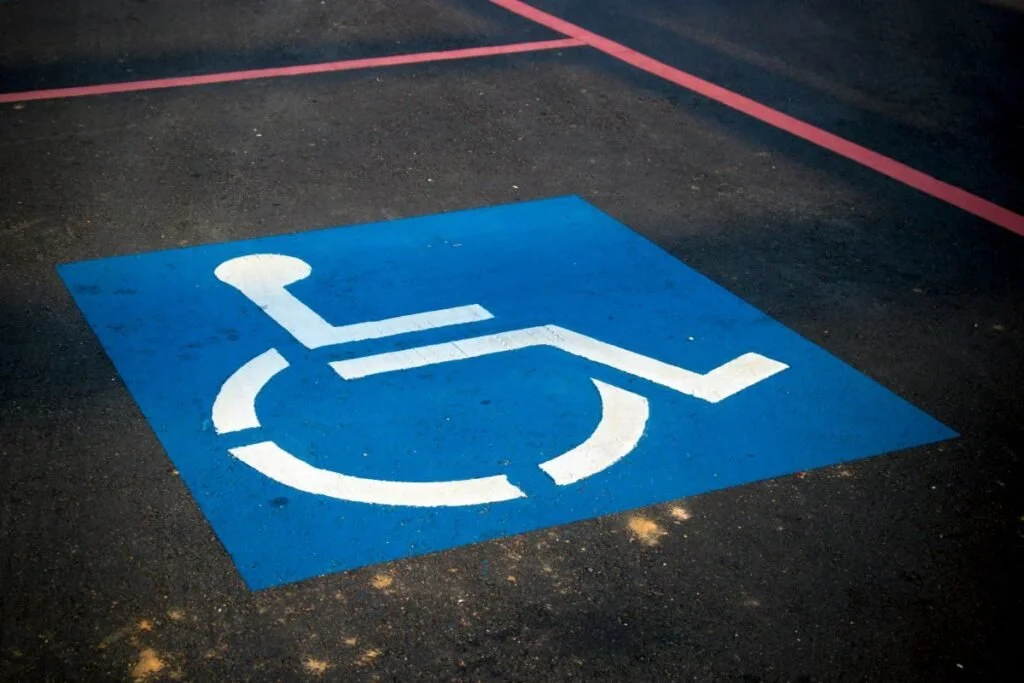
ADA Compliant Markings
Phasellus sodales massa malesuada tellus fringilla, nec bibendum tellus blandit. Vestibulum ante ipsum primis in faucibus orci luctus et ultrices posuere cubilia Curae.

Parking Lot Markings
Phasellus sodales massa malesuada tellus fringilla, nec bibendum tellus blandit. Suspendisse nec congue purus.
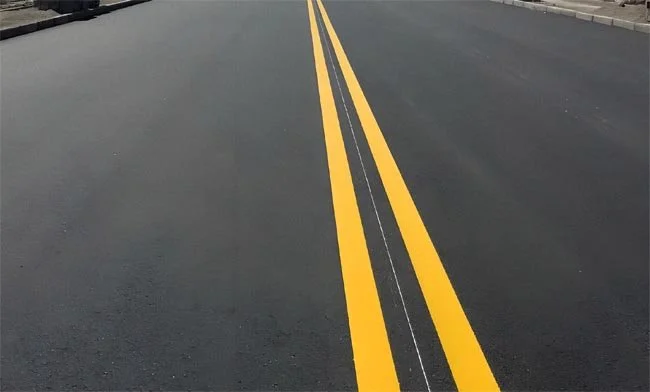
Public Road & Highway Markings
Donec eget risus diam. Maecenas non leo laoreet, condimentum lorem nec, vulputate massa.